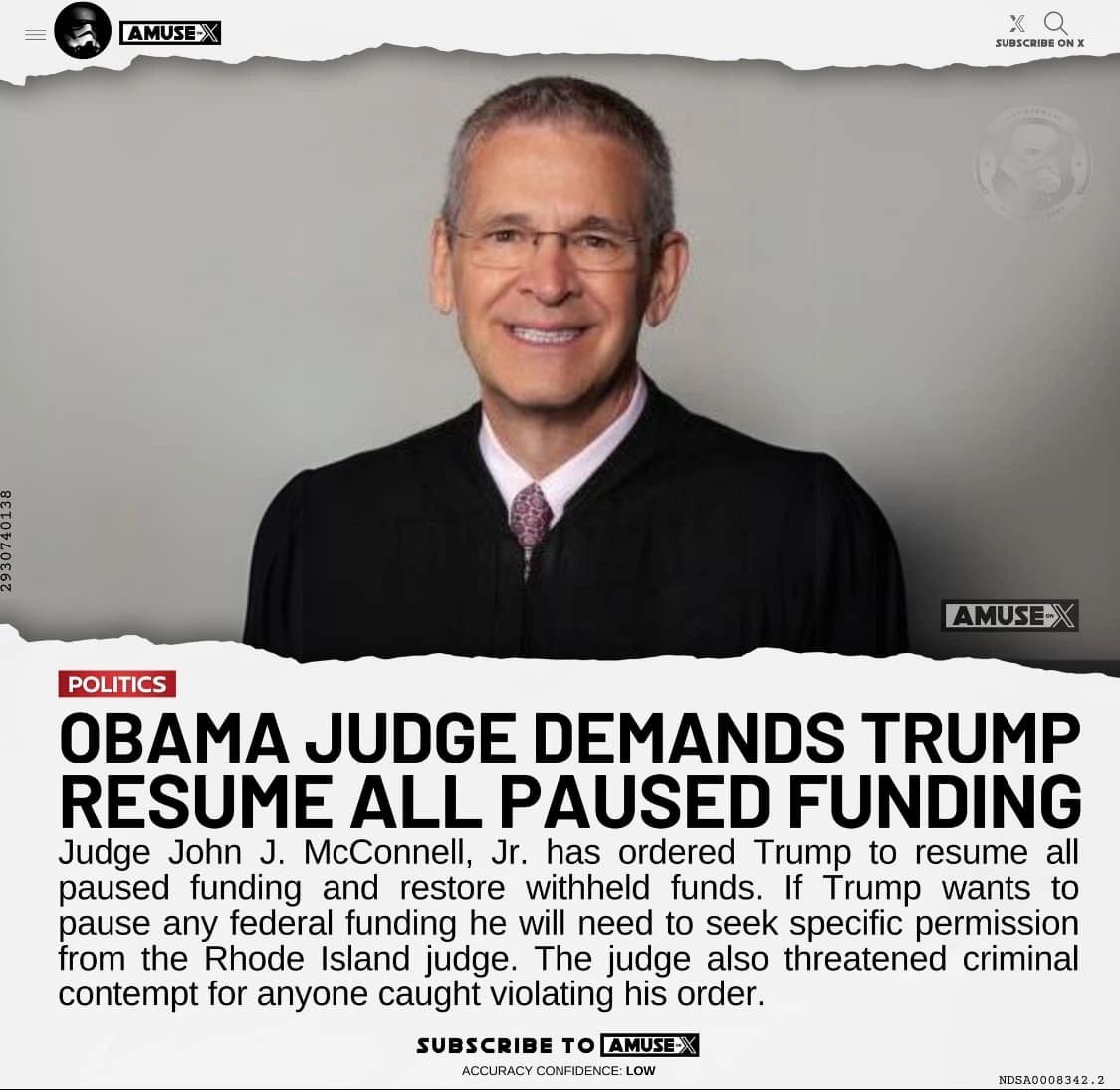
Judges have unchecked power, thanks to absolute “judicial immunity”. It is high time to abolish.
Originally posted February 11, 2025
bar attorneys, foreclosure home theft, foreclosure scam, Illegal Foreclosure
Judges Are the Problem in the Foreclosure Fight
The primary issue foreclosure fighters have faced in their efforts to save their homes and properties may or may not be surprising to most. It has become beyond painfully obvious that the people will never win, as the system is stacked against us. Why? The judges.
In fact, one could argue that the judges ARE the reason so many have become homeless. We have all but figured out the entire scheme (scam)! Many fighters have been able to produce ample and solid evidence that the plaintiffs in most, if not all, of these foreclosure cases, have absolutely no skin in the game – e.g. no standing.
Judges Fail to Require Proof of Claim
Longstanding case law requires a plaintiff to prove its claims, not for a defendant to prove a negative; however, JUDGES do not require any evidence except. Summary judgment is routinely granted based on an allegation (not evidence) that the plaintiff is “in possession of a note endorsed in blank”. This is literally all it takes for a person to be rendered homeless. In many situations, savvy foreclosure defendants, particularly pro se litigants, can and have provided ample evidence that the plaintiff has no standing yet the judges ignore this evidence and hand over properties to thieves. This includes judges in court of appeals as well.
As we have discussed in this blog, and as we will continue to discuss, nothing in a foreclosure action is as it seems and judicial foreclosures appear to follow an unknown set of rules and laws to which the plebs are not privy. It’s like a secret club…and you’re not in it. The judges are the gatekeepers and the ultimate overlords in this story. They hold all the power and all the keys to the kingdom. WHY? Two words – judicial immunity.
What IS Judicial Immunity?
Let’s explore the nuances of “judicial immunity” and then let’s look at some recent discoveries and observations but let me note that it does not matter which president appointed these judges nor does it matter if they are state elected judges, Democrat or Republican. The legal system has been weaponized, full stop, and that is primarily due to the fact that judges know they are immune and this creates an immense feeling of power, and indeed it makes judges very powerful.
Thank you ChatGPT for this breakdown:
Understanding Judicial Immunity: Scope, Rationale, and Limitations
Judicial immunity is a doctrine in the legal system that shields judges from liability for their judicial actions. This immunity is critical to ensuring judicial independence, allowing judges to make decisions without fear of personal repercussions. Here’s an exploration of its scope, rationale, and limitations.
Scope of Judicial Immunity
Judicial immunity applies to all acts performed by judges that are judicial in nature. These are actions taken within the judge’s official capacity and within the scope of their jurisdiction. The immunity covers both civil and criminal liabilities, ensuring that judges cannot be sued for damages arising from their judicial conduct, no matter how erroneous or controversial those decisions may be.
Rationale Behind Judicial Immunity
The primary rationale for judicial immunity is to uphold the independence of the judiciary. This doctrine allows judges to make decisions based purely on their understanding of the law, free from external pressures such as potential lawsuits. The theory suggests that without such protections, judges might be hesitant to make unpopular decisions that they believe to be correct, or necessary, under the law.
Furthermore, judicial immunity serves to prevent endless litigation against judges, which could clog the legal system and divert significant time and resources away from the administration of justice. It also avoids the situation where judges are constantly second-guessing their decisions out of fear of personal consequences.
Limitations of Judicial Immunity
Despite its broad protections, judicial immunity is not absolute. It does not cover actions that are clearly outside of a judge’s jurisdiction or those that are not performed in the judge’s judicial capacity. For example, a judge cannot claim immunity for actions taken in a personal capacity or those that are administrative, legislative, or executive in nature.
Moreover, judicial immunity does not shield judges from criminal charges if they commit criminal acts. Similarly, procedural remedies such as appeals or judicial review are still available to challenge a judge’s decision.
Challenges and Controversies
The application of judicial immunity can lead to controversies, especially in cases where the conduct of a judge appears particularly egregious or where the judicial decisions result in significant harm. Critics argue that the broad scope of immunity might protect judicial misconduct and leave plaintiffs without a remedy.
In response, some advocate for reforms that might include more stringent checks on judicial behavior or clearer boundaries defining what constitutes judicial acts. Such reforms aim to balance the essential protection of judges with the need to hold them accountable in cases of clear misconduct or abuse of power.
Conclusion
Judicial immunity is a foundational element of the legal framework designed to maintain an independent and effective judiciary. While it effectively protects judges from personal liability, it also poses ethical and legal challenges that require careful consideration. Balancing these interests is crucial to upholding both the integrity and accountability of the judiciary.
Are Federal Judges in on the Take?
We are still digging into potential bribery within the legal system, which is incredibly difficult to find and to ascertain; however, we have a solid lead into judicial retirements and their investments into mortgage-backed securities. Could this be the connection? We are not sure. What we are sure of is that this issue spans across the country, in state and federal courts. In New Mexico, Judge Kenneth J. Gonzales is a prolific foreclosure judge who regularly hands over properties to Wall Street thieves without blinking an eye. Is there something more going on here, or is it just time for a complete judicial overhaul?
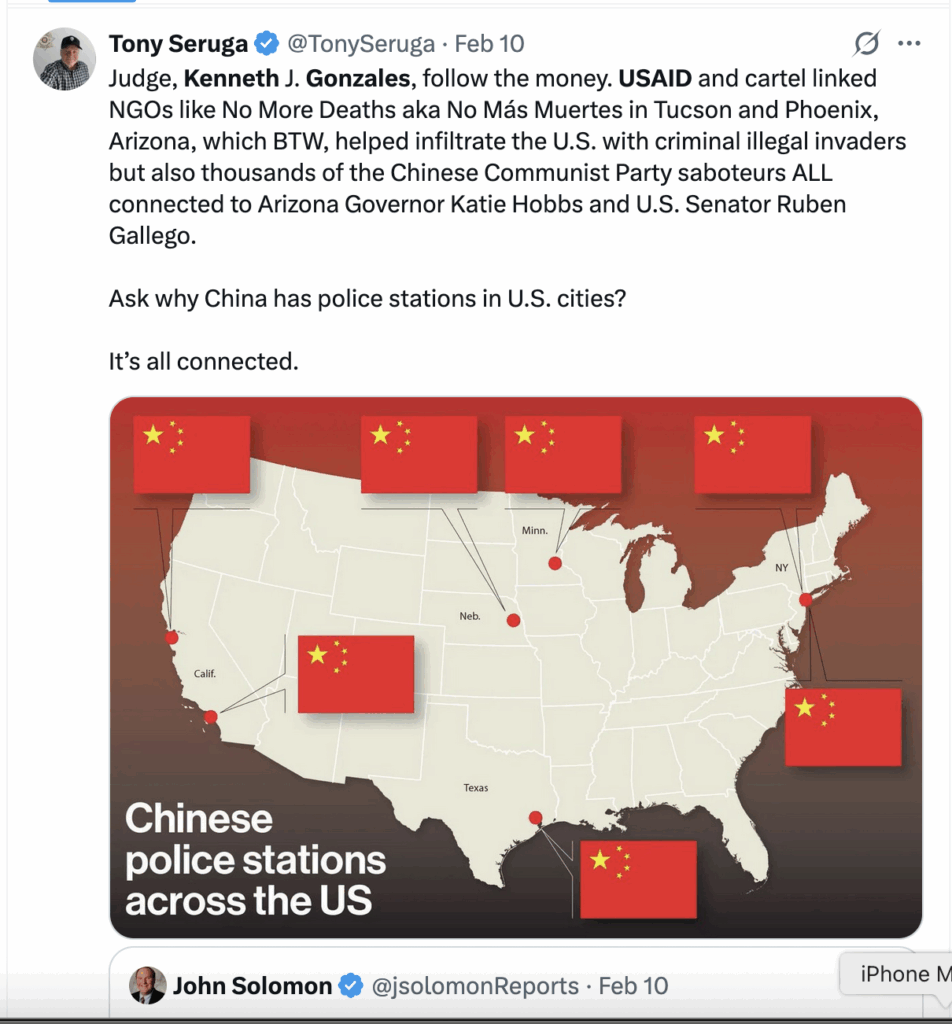
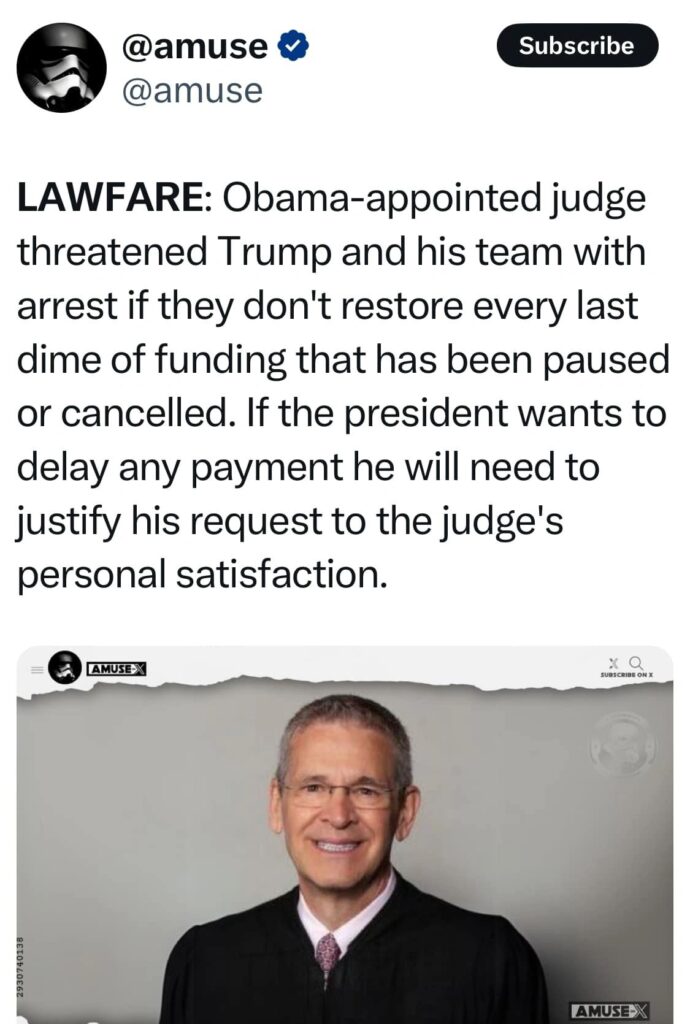
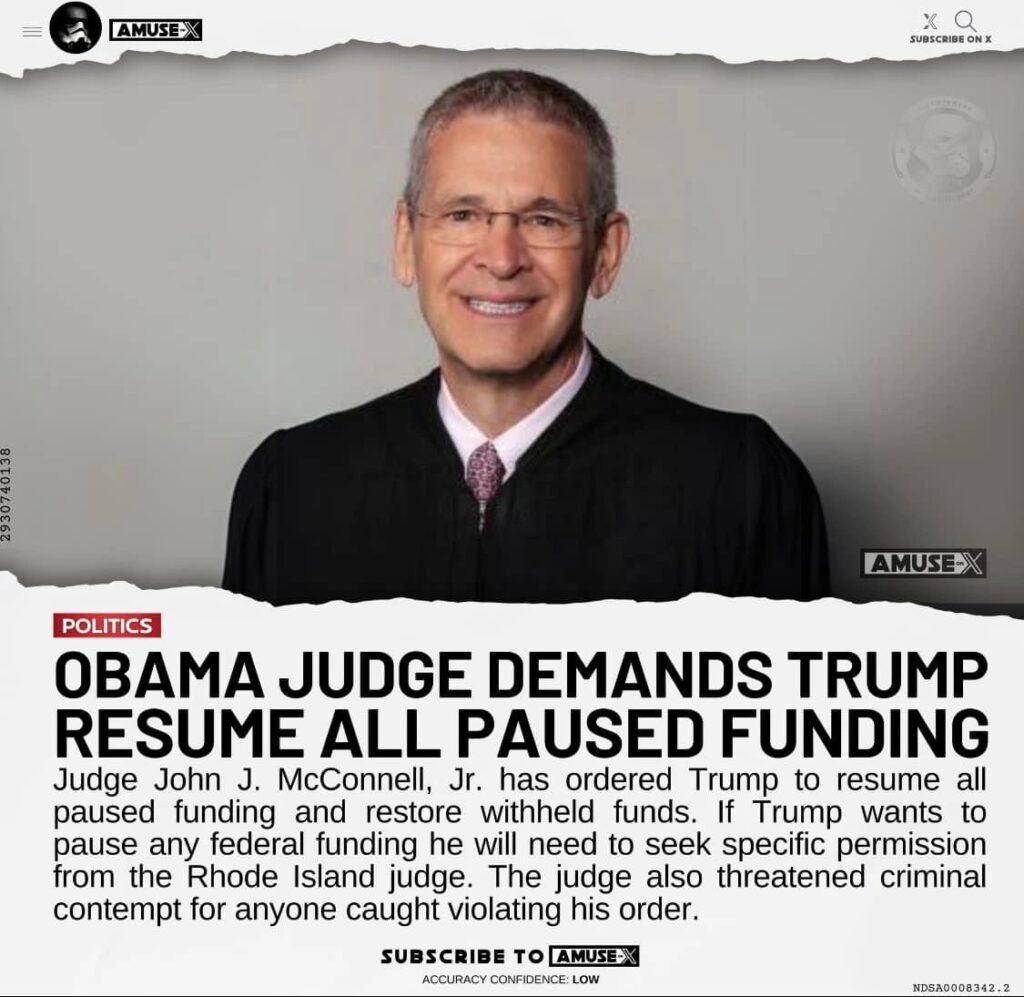
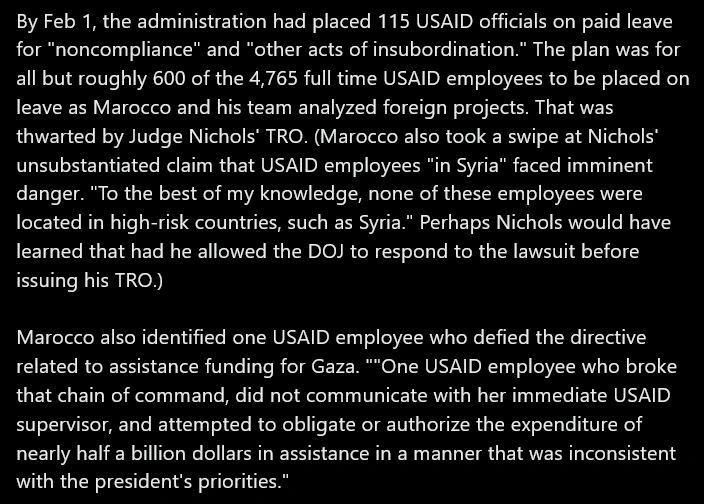
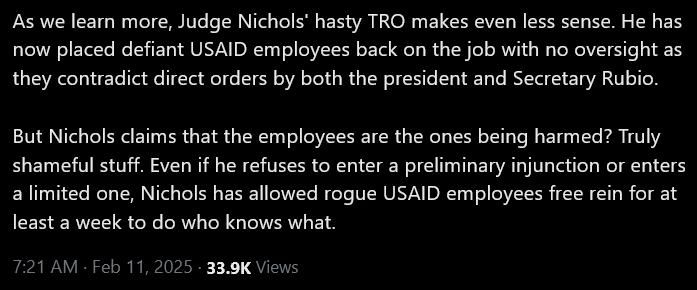
Now you have federal court judges issue temporary restraining orders keeping President Trump’s efforts to pause spending to determine if there is waste, fraud, and abuse. Why? Is there something deeper here, or does the system just need a complete revamp? We believe that, whatever is truly happening, the people need to rethink judicial immunity. It has created rogue judges who think they have authority even when they have none!

DISCLAIMER: We are NOT attorneys and this should not be construed as legal advice. If you require direct assistance, seek competent legal counsel (if you can find anyone willing to challenge the system. These unicorns are few and far between). Do not contact us directly for specific advice on anything posted in our blog. We will not respond.