Judges Profiting – Hidden Conflict Destroying Homeowners
Originally posted February 1, 2025
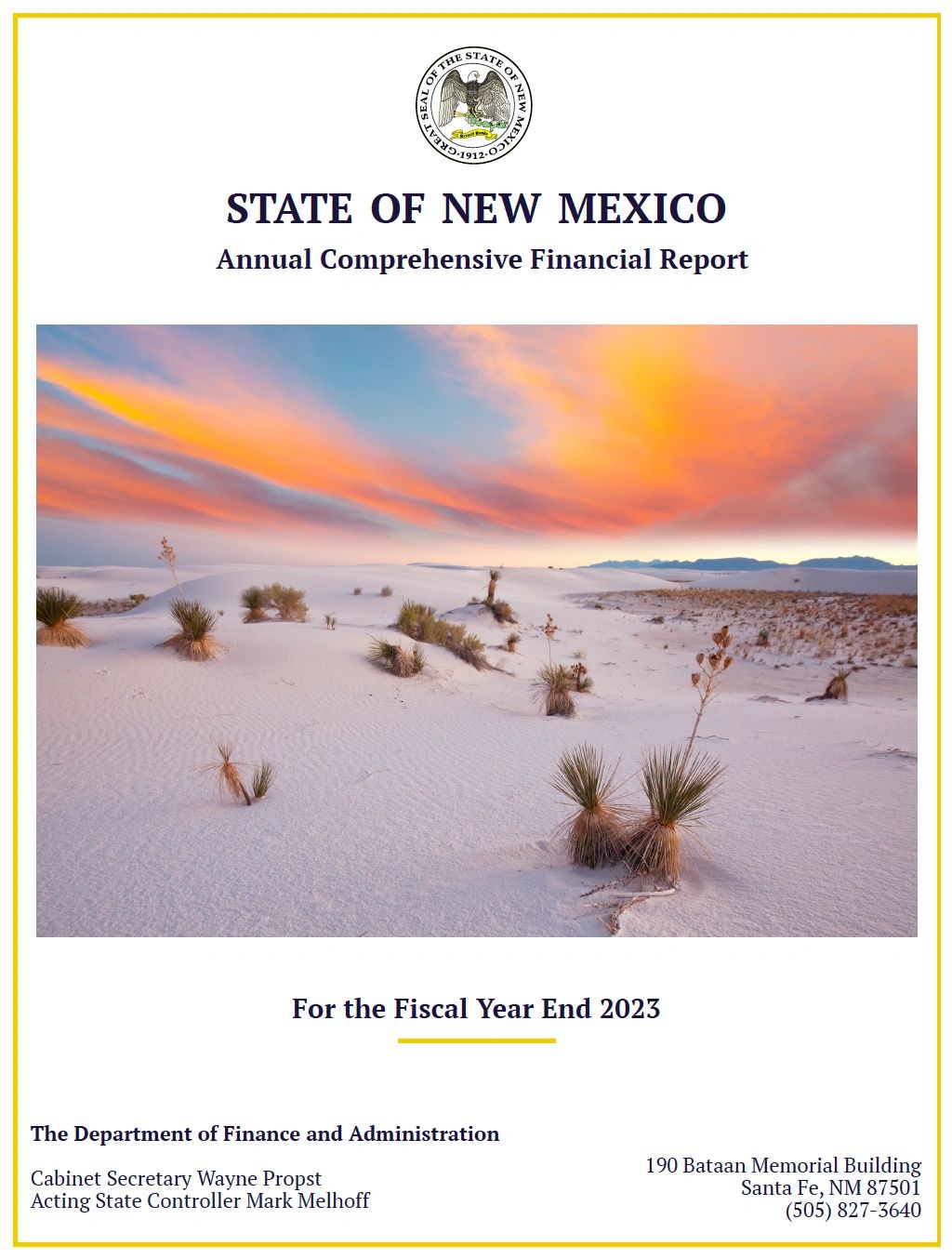
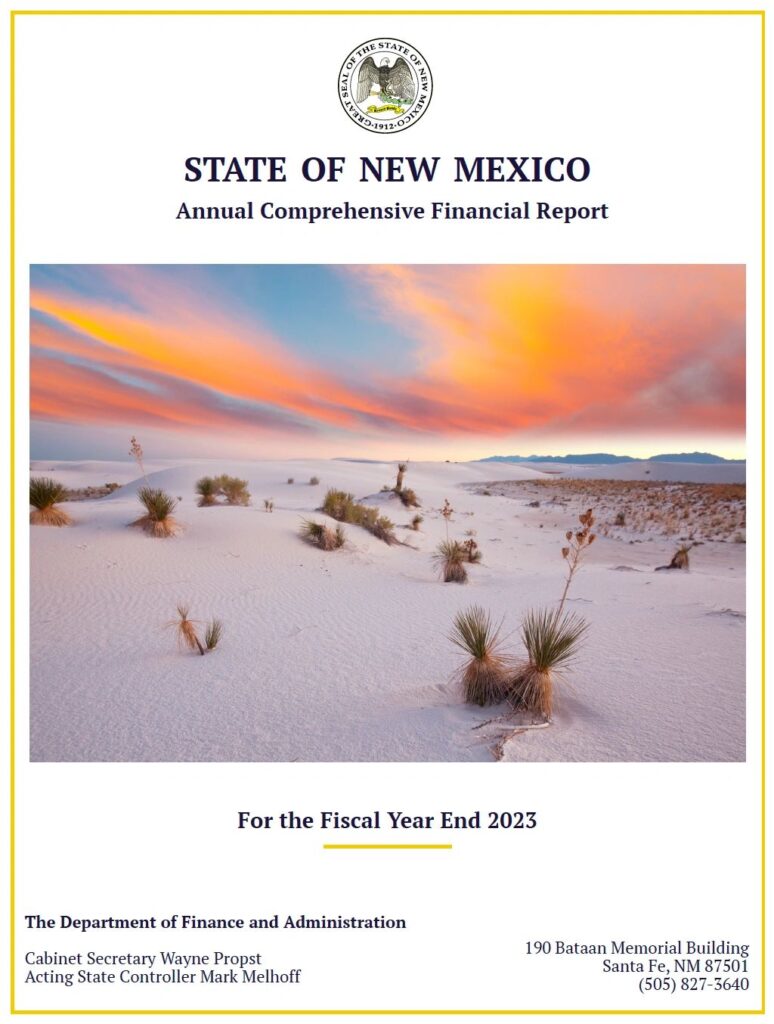
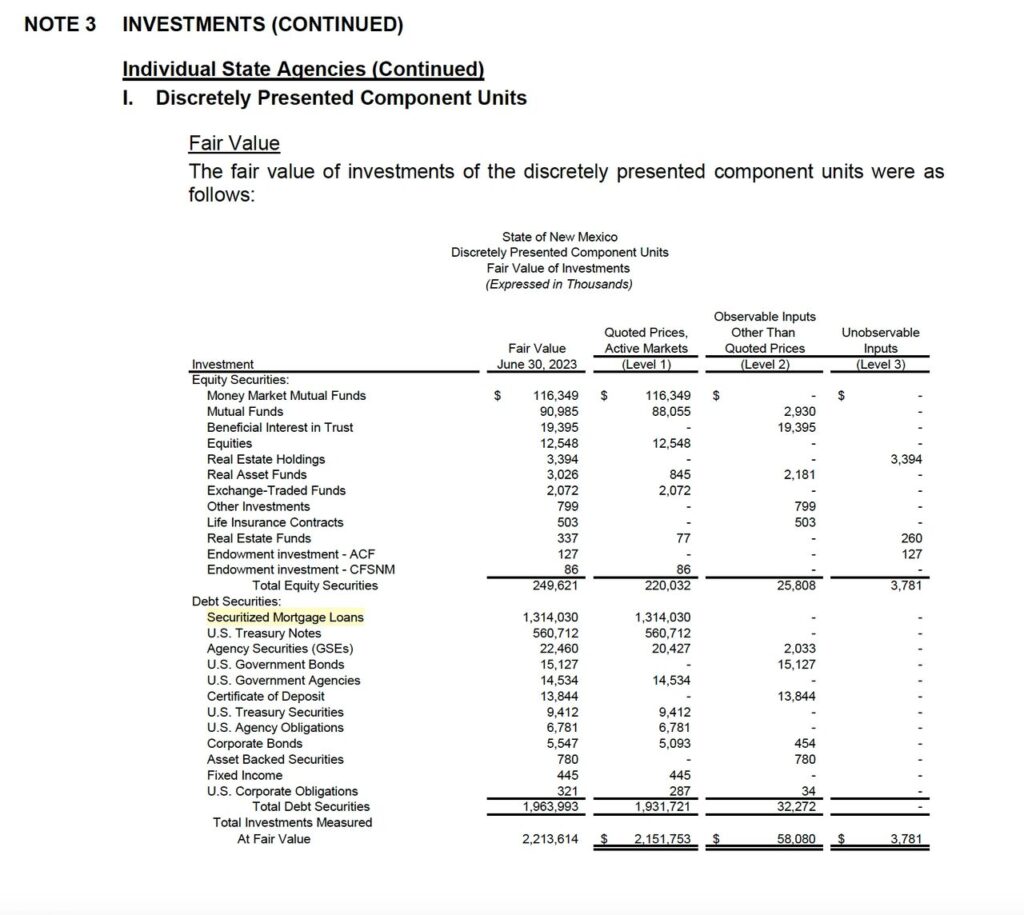
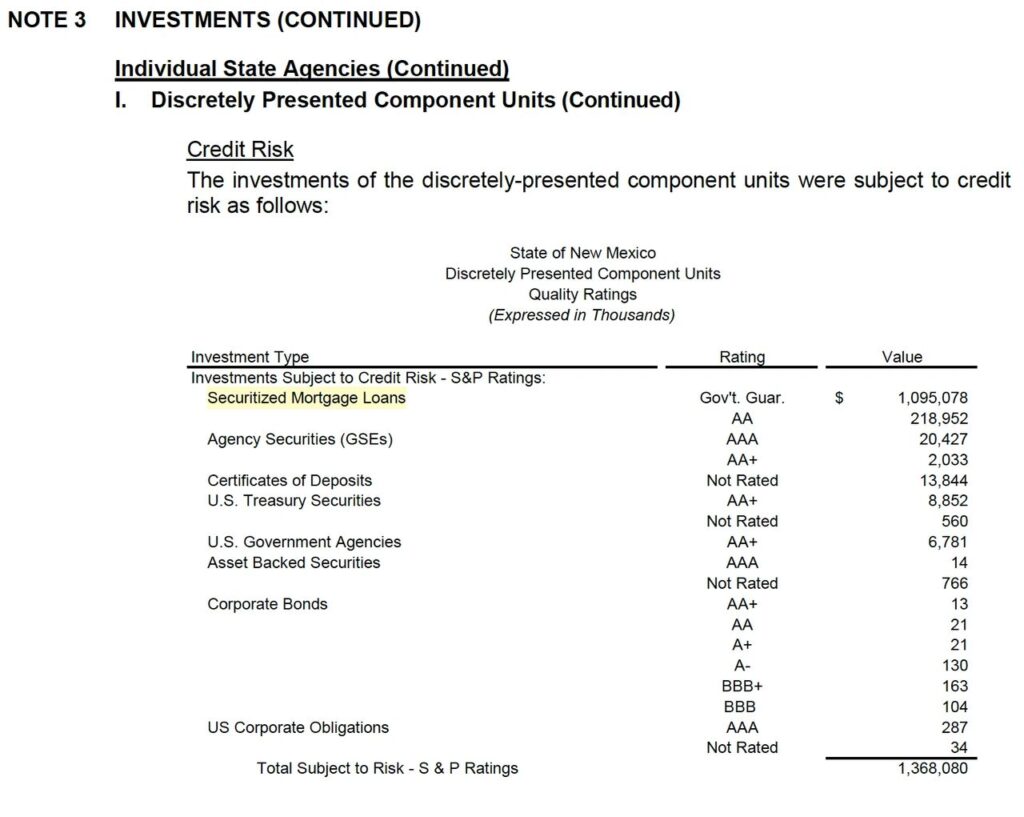
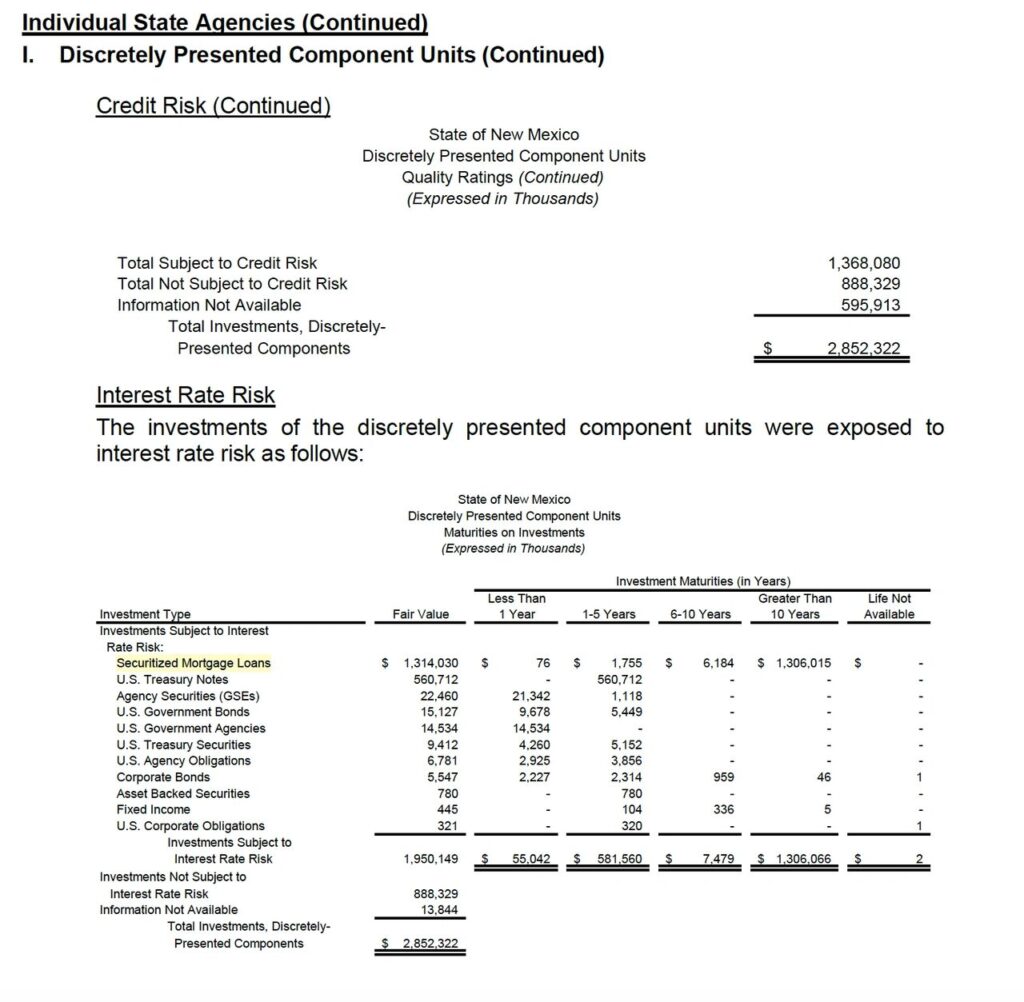
“In addition to the earlier mention of non-agency mortgage-backed securities valued at $24,883,000, the Annual Comprehensive Financial Report also references securitized mortgage loans with a government guarantee, valued at $1,095,078,000 as of June 30, 2023.”
Imagine fighting to save your home in court, only to find out that the judge deciding your case is financially invested in seeing you lose. This is not a conspiracy theory—it’s a reality in state courts across the country.
Many state court judges are personally invested in mortgage-backed securities (MBS), which means they profit when foreclosures increase. When a foreclosure case lands in their courtroom, these judges have a direct financial incentive to rule against homeowners.
—
How Judges’ Retirement Investments Create a Conflict of Interest
1. Mortgage-Backed Securities Gain Value from Foreclosures
Mortgage-backed securities (MBS) are bundled pools of mortgages that investors buy into. The value of these securities rises when more foreclosures are completed—because each new foreclosure means more cash flow into the system.
2. Judges’ Retirement Funds Are Heavily Invested in Fixed-Asset Securities
Many state-employed judges have retirement funds that hold large amounts of fixed-asset securities, including mortgage-backed securities. This means that when they rule in favor of banks, lenders, and foreclosure trustees, they are protecting their own financial interests, and when they rule against those MBS plaintiffs, they might set the stage for depleting this section of their fund.
3. Homeowners Face an Unfair Legal System
Judges are supposed to be neutral decision-makers, but if they profit from MBS investments, how can they be impartial in foreclosure cases? The answer is simple: they can’t, even if they are not personally corrupt, per se.
When a judge ignores homeowner arguments, rubber-stamps a fraudulent foreclosure, or refuses to investigate overcharges, they may not just be siding with the banks—they may be protecting their own financial future.
4. A Systemic Problem, Not Just a Few Bad Judges
This is not just an issue with one or two corrupt judges—it’s systemic. Many state public employee retirement funds, including judicial pension funds, hold investments in MBS. This means that in foreclosure cases across the country, nearly every judge has a financial conflict of interest.

—
What This Means for Homeowners
Biased Courtrooms – Homeowners do not get a fair trial when judges have financial incentives to favor banks.
Unethical and Unconstitutional – The Fourteenth Amendment guarantees due process, but how can a homeowner receive a fair hearing when the judge stands to profit from the outcome?
A Rigged System – The legal system is supposed to work for everyone, but when judges are financially motivated to rule in favor of foreclosure, homeowners never had a real chance to win.
—
What Can Be Done?
Expose the Judges’ Conflicts
Demand that judges disclose their financial holdings before presiding over foreclosure cases.
Demand reform within the pension system, removing these funds specifically from the judges’ portfolios
File motions to recuse any judge with MBS investments.
Demand Federal Oversight
The U.S. Department of Justice must investigate the systemic conflicts of interest in state foreclosure courts.
Congress should pass judicial ethics reforms to prevent financial conflicts in foreclosure cases.
Educate Homeowners & Fight Back
If you are facing foreclosure, research whether your judge has MBS investments.
Share your experience and connect with other homeowners fighting similar battles.
DISCLAIMER: We are NOT attorneys and this should not be construed as legal advice. If you require direct assistance, seek competent legal counsel (if you can find anyone willing to challenge the system. These unicorns are few and far between). Do not contact us directly for specific advice on anything posted herein. We will not respond.